
Vergessen, wer ich war
Wurd ich wahrhaftig geboren in diese Welt
oder war ich doch schon immer da
Der Tod ist nur ein Neubeginn und fängt mich auf
Wenn mein Geist und Fleisch wieder nach den Sternen blickt,
scheint alles noch ein wenig mehr egal zu sein
Oder werde ich, werde ich getäuscht(Forgotten who I was
Was I truly born into this world?
or have I always been here?
Death is but a new beginning and it catches me
When my spirit and flesh gaze upon the stars again
everything seems to matter just a little less
or am I being, am I being deceived?)Marter
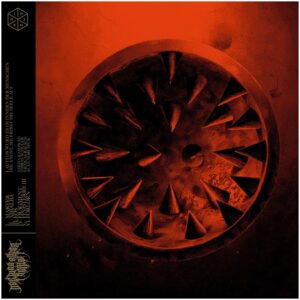
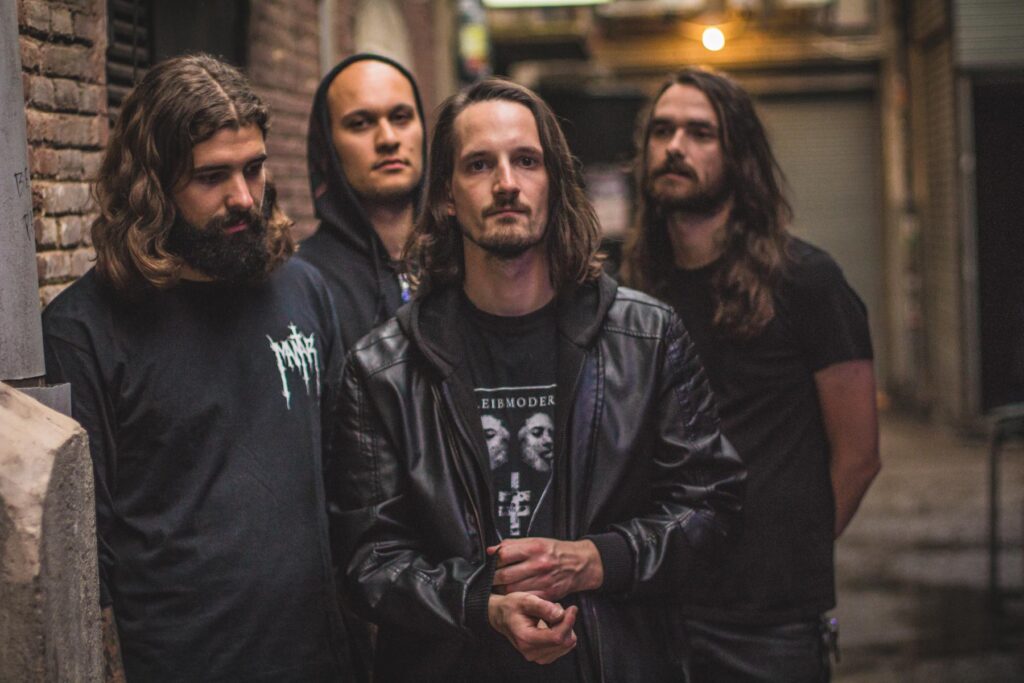
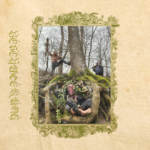
Active since 2009, the Bavarian band from Wurzburg delivers top-notch atmospheric black metal that improves with each new release. The band’s name means “The Path to Freedom,” or more precisely, “The Journey Towards Freedom.” While they have always stated they do not consider themselves political, they have never hidden their sympathy for certain ideas and their disdain for nazis, which unfortunately infest the black metal scene—a minefield that any reader of this blog, like any listener of extreme music, who considers themselves a comrade knows all too well, and which confronts every time they listen to an album or decide to attend a concert.
More to the point, let’s examine the new full-length, their sixth, which follows 2021’s Nokturn, an album that placed them among the most interesting acts in the post-black scene. And like its predecessor, this one is unfortunately released on Season of Mist as well, a label that has no qualms about publishing both left-wing bands and nazi bands.
Expectations have not been disappointed, and we can affirm that Innern (Inner) rightfully ranks among the best black metal releases of 2025.
We are faced with an excellent atmospheric black metal sound, with many influences ranging from folk to post-rock. The guitars are abrasive and prominent in the mix, sometimes almost overpowering. This is not a negative feature, as they weave melodies that blend perfectly with the synths and keyboards of the ambient interludes, where the guitars themselves abandon riffs to become sound effects that contribute to the whole.
The ever-present furious black metal gallops unleash a visceral rage that contrasts with the more thoughtful and relaxed atmospheres that the lengthy tracks are filled with. All tracks, indeed, have a high running time, except for the fifth track, essentially an interlude.
Innern (Inner) is a journey into human introspection, written entirely in German, except for the final track, Forlorn, sung in English.
The album opens with Marter, whose lyrics discuss suffering as a path to transcendence by analysing the figure of the martyr. An intro reminiscent of Neurosis, embellished with martial electronics and drums, gradually joined by a guitar, transports you into infinity. A drum roll, and the guitar seems to fade out, only to actually charge the track, which takes off, fierce and relentless, until the six-minute mark; it then returns to the initial atmospheres, this time with a prominent guitar playing a typically black metal arpeggio. The calm doesn’t last long: the gallop resumes, accompanying us until the end of the track.
A different story for the second track, Xibalba, which starts mightily pissed off right away and continues until the six-minute mark, where a subdued and melancholic keyboard passage introduces a blend of guitars and ethereal, melodic soundscapes for an instrumental section reminiscent of the best of Wolves In The Throne Room.
Eos, the third track (and the single), continues in the veins of the previous ones, while accentuating the symphonic black and old-school elements; it is, perhaps, the track most reminiscent of the band’s past production. The song ends in a fade-out that acts as an introduction to Fragment, the album’s fourth track, where sibilant synths, menacing drums, and guitar arpeggios give way to a classic, “Cascadian” mid-tempo section layered with the singer’s clean-sung lyrics.
But the dreamy atmosphere is soon swept away by a brutal and furious rush, with guitars creating an impenetrable wall of sound even capable of overwhelming the increasingly desperate screaming.
The fury suddenly subsides, making way for Finisterre III, a brief piano interlude anticipating the final track, Forlorn, where rage gives way to sadness and an unprecedented English vocal performance.
An intro based on ethereal soundscapes and clean guitar riffs transforms into an almost shoegaze piece, where the melodic vocal line, underscored by reverberated guitars, initiates the final journey.
The outburst that follows is not as angry as the previous ones, being much more subdued and resigned despite the screams. The latter are supplanted by the initial melodic vocal line, which takes centre stage in a triumph of increasingly celestial and sorrowful riffs and keyboards. It is the least angry track, diverging the most from straight-up black metal and verging on almost Deafheaven-like territories.
With this track, this splendid album comes to an end—an emotional inner journey into the human soul and psyche, as the title rightly suggests.
And we can only thank Der Weg Einer Freiheit for allowing us to partake in this journey!
SimonC
- 27/06 Monza Blackened Skies
- [EN-IT] Beschwoerung – Beschwoerung
- [EN-IT] Der Weg Einer Freiheit – Innern

- [IT] Giù le mani dal Venezuela!

- [IT] Metal Threat festival
Attiva dal 2009, la band bavarese di Wurzburg propone un atmospheric black di ottima fattura che si migliora ad ogni nuova uscita. Il nome del gruppo significa “La via per la libertà”, o meglio, “Il percorso verso la libertà”. Nonostante la band abbia sempre dichiarato di non ritenersi politica, non ha mai nascosto la sua simpatia per certe idee e il suo disprezzo per i nazi, di cui purtroppo la scena black metal pullula, terreno minato che chi legge questo blog -come qualsiasi ascoltatore di musica estrema- che si ritenga compagnx conosce molto bene e con cui si confronta ogni volta che ascolta un disco o decide di andare a un concerto.
Ma arrivando al punto, esaminiamo il nuovo full-length, il sesto, che segue Nokturn del 2021, album che li aveva posti tra le realtà più interessanti della scena post-black. E come il precedente, anche questo esce purtroppo su Season Of Mist, etichetta che non si fa problemi a pubblicare tanto band di sinistra quanto band naziste.
Le aspettative non sono state deluse e possiamo affermare che “Innern” (questo il titolo del disco), si pone di diritto tra le migliori uscite black metal del 2025.
Ci troviamo di fronte a un ottimo disco di atmospheric black, con molte contaminazioni che vanno dal folk al post rock. Le chitarre sono graffianti e ben in risalto nel mix, a volte quasi preponderanti. Ma questo non è un male in quanto tessono melodie che si sposano alla perfezione con i synth e le tastiere degli intermezzi ambient, in cui anche le stesse rinunciano a fare riff per diventare degli effetti sonori che contribuiscono all’insieme.
Le ben presenti furiose cavalcate black sprigionano una rabbia viscerale che fa da contraltare alle atmosfere più pensose e rilassate di cui i lunghi brani sono infarciti.
Tutti i brani infatti hanno un alto minutaggio, eccetto la quinta traccia, in realtà un intermezzo.
Innern (interno) è un viaggio nell’introspezione umana, scritto tutto in tedesco, eccezion fatta per la finale Forlorn, in inglese.
Il disco si apre con “Marter”, il cui testo parla della sofferenza come via per la trascendenza analizzando la figura del martire. Intro quasi Neurosis con elettronica e batteria marziali a cui si aggiunge lentamente una chitarra che trasporta nell’infinito. Rullata di batteria, e la chitarra sembra spegnersi quando in realtà dà la carica al pezzo che parte, feroce e implacabile, fino a sei minuti, per poi tornare alle atmosfere dell’inizio, stavolta con una chitarra ben presente che esegue un arpeggio tipicamente black metal. Ma la stasi dura poco e infatti la cavalcata riparte accompagnandoci per tutta la fine del pezzo.
Discorso differente per il secondo pezzo “Xibalba” che parte subito rabbioso fino a sei minuti, in cui un giro di tastiera sommesso e malinconico ci introduce a un impasto di chitarre e soundscape eterei e melodiosi per una parte strumentale che riporta alla mente i migliori Wolves In The Throne Room.
“Eos”, la terza traccia, brano scelto come singolo, prosegue sulla falsariga delle precedenti, accentuando l’elemento symphonic black e old school ed è forse il pezzo più legato al passato della band. Il brano termina in una dissolvenza che funge da introduzione a “Fragment”, il quarto pezzo del disco, in cui synth sibilanti, batteria minacciosa e arpeggio di chitarra lasciano spazio a un classico mid-tempo “cascadiano” su cui si innesta la voce pulita del cantante.
Ma l’atmosfera sognante viene presto spazzata via da una cavalcata brutale e rabbiosa con le chitarre che creano un wall of sound impenetrabile che sovrasta anche lo screaming sempre più disperato.
La furia si spegne improvvisamente e lascia spazio a “Finisterre III”, breve intermezzo pianistico che funge da preludio all’ultimo pezzo “Forlorn”, in cui la rabbia lascia spazio alla tristezza e a un inedito cantato in inglese.
Inizio basato su soundscape eterei e riff di chitarra pulito che si tramuta in un pezzo quasi shoegaze, in cui la linea melodica del cantato sottolineata dalle chitarre riverberate dà l’avvio al viaggio finale.
La cavalcata che segue non è rabbiosa come le precedenti ma molto più sommessa e rassegnata, nonostante lo scream, che viene soppiantato dalla linea melodica vocale dell’inizio che si prende la scena in un tripudio di riff e tastiere sempre più celestiali e dolenti. È il brano meno rabbioso che si discosta di più dal black tout-court, rasentando territori quasi Deafheaven.
Con questo brano ha termine questo splendido disco, viaggio emozionante nell’animo umano e nella sua psiche come giustamente il titolo suggerisce.
E noi non possiamo che ringraziare i Der Weg Eineir Freiheit di averci reso partecipi di questo viaggio!
SimonC